
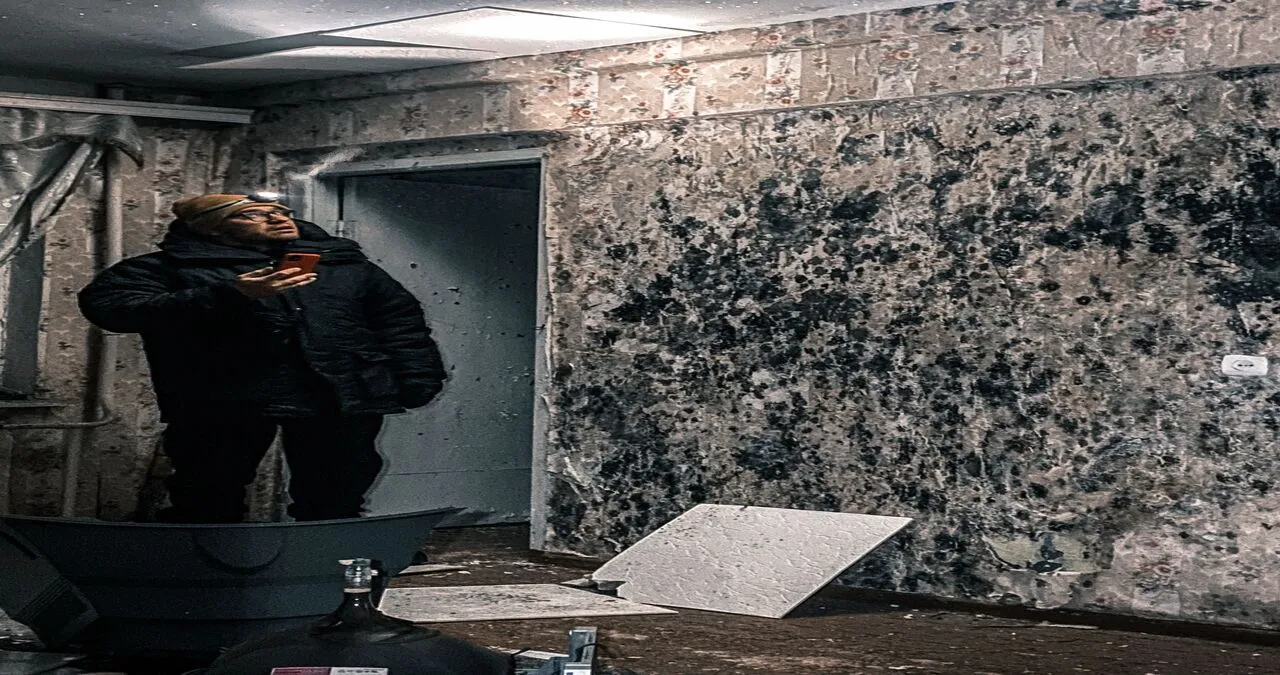
Finding mold in your rental isn’t anyone’s idea of a good day. Maybe it’s a dark stain creeping behind the bathroom tiles, maybe it’s an endless musty odor, mold can easily take a minor headache and turn it into a full-blown mess: For your wallet, your health and even your lease. The big thing renters want to know: Does their insurance cover this? Sometimes it does, sometimes it doesn’t and figuring out the difference comes down to how that mold got there in the first place.
According to the National Institute for Occupational Safety and Health (NIOSH), around 47% of homes in the U.S. have some amount of mold or dampness. That’s almost half the rental market, meaning renters have real reason to ask: Who pays when things go sideways?
What really causes mold in a rental?
Mold isn’t picky about where it grows. All it takes is some lingering moisture and not enough airflow. The usual suspects: Leaking pipes, a roof that lets in water, too much indoor humidity, slow appliance drips or flooding after a storm.
Especially in older apartments with worn plumbing and not-great ventilation, mold can set in fast, sometimes within 24 to 48 hours of water showing up.
What does an insurance adjuster do?
If you file a mold claim, one of the first people you’ll deal with is a mold damage adjuster from the insurance company. They work for your insurance company and check out your damage, figure out what caused the mold and decide whether the policy covers it, and how much you’d get.
A lot of their work comes down to timing: Did the mold show up before or after the covered disaster? That’s why you want to document everything: Photos, dates and messages with the landlord. That record becomes evidence for the adjuster to look at.
When will renters insurance cover mold, and when won’t it?
Here’s where things get tricky. Your renters insurance doesn’t cover every mold problem automatically, it comes down to what caused the mold. Insurance usually helps out if the mold is from a covered event, like a sudden burst pipe.
Let’s say your pipe bursts overnight and, a week later, the wall is moldy. You’ve got a decent shot at a claim for damage to your stuff. But if the plumbing drip has been ignored for months and you never reported it, your insurer will probably say no.
What’s the difference between belongings and the building?
This part catches plenty of renters. Damage to the building itself, such as walls, ceilings and structure is on your landlord. If mold means you have to leave your apartment for repairs, your policy might cover your living expenses.
But renters insurance is really supposed to protect your stuff, such as your couch, your TV and gaming equipment and your clothes, if a covered event leads to mold. So if a burst pipe ruins your mattress or computer, that’s where your claim usually matters.
When the insurance company says no, and what is a public adjuster?
Insurers say “no” to mold claims more than people expect, and that doesn’t always mean they’re right. In Florida, for example, lots of policies cap mold fixes at $10,000 or less, way below what some clean-up jobs cost. Insurers often deny claims by saying this was a “pre-existing condition”, you waited too long or it was due to slow leaks, not a sudden event.
A public adjuster can step in here. Unlike the insurance company’s adjuster, the public adjuster works for you. They’re licensed pros who help you prepare and negotiate the claim, with a focus on mold losses.
If your case gets messy or complicated, a public adjuster in Sunrise, FL can make a big difference. They re-examine the damage, add documentation and push back on the insurance company’s first offer, or even get a denial reversed. In Florida, if you’re dealing with a denied or underpaid mold claim, there are firms that handle this stuff all the time. They work only for renters like you, guiding you through what can be a confusing process.
A real-world look at Florida renters and mold denials
This problem’s especially bad in humid places like Florida, where storms and moisture make the whole state a mold magnet. In early 2026, Florida insurance law firms started seeing a surge of denied mold claims, with insurers arguing the mold was from “long-term humidity” not a specific event, even when floods or storms played a clear role. In spots like Hialeah, summer storms can overload drainage; water gets in, mold follows and with good records, renters can show the cause-and-effect.
It’s not just Florida. In 2026, Coherent Market Insights found that the global mold removal market passed $1.3 billion, mainly because water damage from wild weather and old infrastructure keeps going up. Demand for experts is rising, and so is the difficulty of insurance claims.