
A missing section of teeth can dramatically affect far more than your appearance. It can compromise chewing efficiency, speech clarity, jaw alignment, facial structure, and overall confidence. For patients missing multiple adjacent teeth, a 5 tooth bridge is often one of the most effective restorative solutions available. This dental prosthetic can rebuild both functionality and aesthetics while helping preserve oral health.
Whether you are considering treatment for yourself, comparing restorative options, or researching costs and durability, understanding how a 5 tooth bridge works is essential. This guide explores every critical aspect—from candidacy and materials to procedure details, pricing, maintenance, and alternatives—giving you the same strategic insights you’d expect from an experienced prosthodontist or restorative dentistry specialist.
For many patients, choosing a dental restoration can feel overwhelming. Yet with proper knowledge, a 5 tooth bridge becomes easier to evaluate as a practical long-term investment rather than simply a dental expense. Let’s examine what truly matters.
What Is a 5 Tooth Bridge?
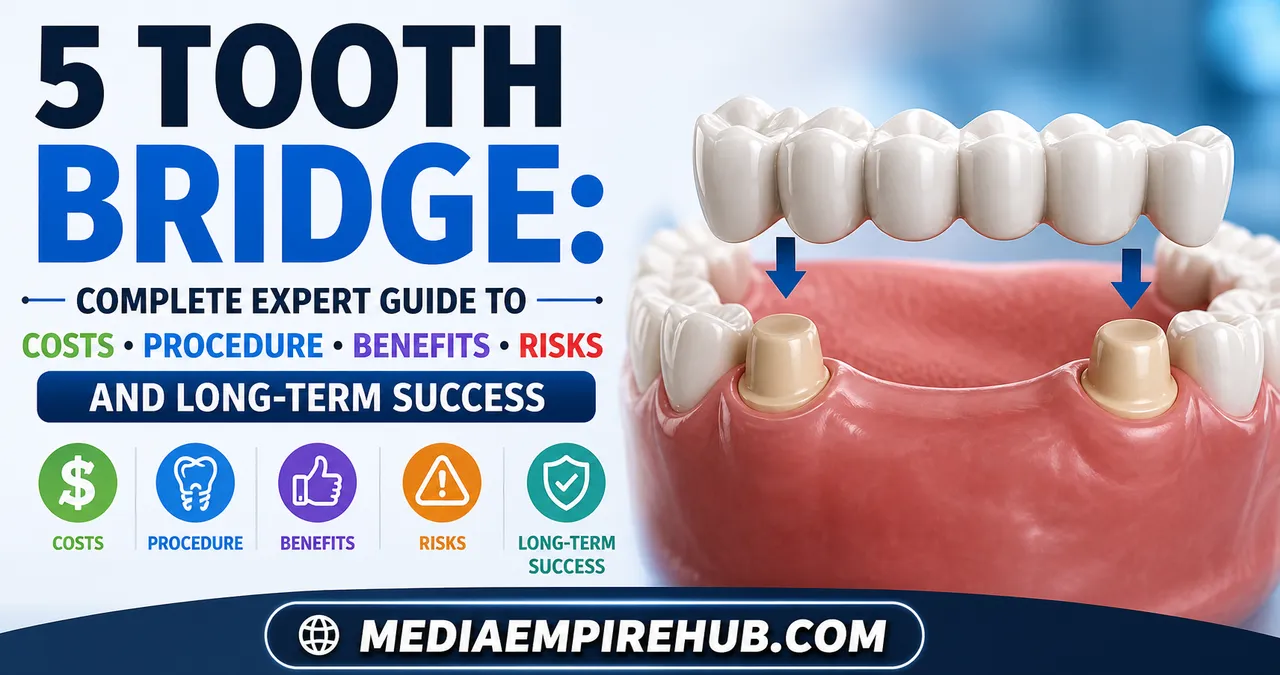
A 5 tooth bridge is a fixed dental restoration designed to replace five consecutive missing teeth or to restore a large gap by using artificial teeth (pontics) anchored by adjacent natural teeth or dental implants. Typically, this bridge consists of multiple crowns connected together, creating one seamless prosthetic unit.
In traditional cases, the bridge is supported by abutment teeth on either side of the missing span. These supporting teeth are reshaped to hold dental crowns securely. In implant-supported cases, strategically placed implants provide the foundation instead of relying solely on natural teeth. The goal is to restore bite strength, appearance, and structural balance while preventing neighboring teeth from shifting.
Unlike removable partial dentures, a 5 tooth bridge remains fixed in place, offering greater convenience, stability, and natural feel. Patients often prefer this option because it closely mimics the comfort and function of natural teeth.
Who Is a Good Candidate for a 5 Tooth Bridge?
Not every patient automatically qualifies for a 5 tooth bridge, and candidacy depends on several oral health factors. Ideal candidates generally have multiple adjacent missing teeth, healthy neighboring teeth or sufficient bone density for implants, and a commitment to strong oral hygiene.
Your dentist will evaluate gum health, bite pressure, jawbone integrity, and existing tooth strength before recommending this restoration. For example, if supporting teeth are weakened by decay or periodontal disease, implant-supported bridges may offer better long-term outcomes. Patients with bruxism (teeth grinding) may also require special reinforcement or nightguards.
A comprehensive examination with X-rays or 3D imaging helps determine whether a bridge will provide durable support. This assessment is critical because large-span bridges experience substantial chewing forces, making structural planning essential.
Types of 5 Tooth Bridge Options Available Today
Modern restorative dentistry offers several approaches to constructing a 5 tooth bridge, each with distinct benefits depending on anatomy, budget, and long-term goals.
Traditional Tooth-Supported Bridge: This option uses crowns on natural teeth at each end of the gap. It’s often more affordable initially but requires significant enamel reduction on anchor teeth.
Implant-Supported Bridge: Dental implants provide superior stability, preserve jawbone, and reduce strain on surrounding teeth. Though more expensive upfront, they often deliver better longevity.
Cantilever Bridge: Used less commonly, this approach relies on support from one side only. Due to biomechanical stress, it is generally not preferred for larger restorations like five teeth.
Maryland Bridge: Primarily for smaller restorations, this resin-bonded design is rarely suitable for a full 5 tooth span due to limited strength.
Selecting the right bridge type requires balancing durability, invasiveness, and overall oral health priorities.
Materials Used in a 5 Tooth Bridge
Material selection directly impacts the strength, aesthetics, and lifespan of a 5 tooth bridge. Advances in dental technology have significantly expanded options.
| Material Type | Strength | Aesthetics | Cost Range | Best For |
|---|---|---|---|---|
| Porcelain-Fused-to-Metal (PFM) | High | Good | Moderate | Balanced durability and appearance |
| Zirconia | Very High | Excellent | Higher | Long-term durability and premium aesthetics |
| Full Porcelain/Ceramic | Moderate | Excellent | High | Front teeth and cosmetic cases |
| Gold Alloy | Very High | Low | High | Back teeth where aesthetics matter less |
Zirconia has become increasingly popular because it combines exceptional strength with lifelike appearance, making it particularly effective for extensive bridges. However, each patient’s bite force and cosmetic goals influence the best material choice.
The 5 Tooth Bridge Procedure Step by Step
Receiving a 5 tooth bridge typically involves multiple appointments and precise planning. While specifics vary, the process generally follows a structured path.
First, your dentist conducts a thorough examination, including imaging and impressions. If natural teeth are being used as anchors, they are reshaped to accommodate crowns. Temporary restorations may be placed while the permanent bridge is custom-fabricated.
Once the final bridge is ready, the dentist checks fit, bite alignment, comfort, and appearance before permanently cementing or securing it. For implant-supported bridges, additional surgical stages and healing periods are required before final placement.
This process emphasizes precision because even minor alignment issues can affect long-term success, comfort, and durability.
“A properly designed long-span dental bridge is not just about replacing teeth—it’s about restoring the biomechanics of the entire mouth.” — Dr. Carl Misch, Implant Dentistry Expert
How Much Does a 5 Tooth Bridge Cost?
Cost is one of the most common concerns when considering a 5 tooth bridge, and pricing can vary significantly based on materials, location, provider expertise, and support type.
Traditional bridges generally range from $4,000 to $12,000, while implant-supported bridges can range from $10,000 to $25,000 or more. Premium materials like zirconia or specialized prosthodontic work may further increase expenses.
Insurance may partially cover medically necessary bridges, especially traditional options, but implant procedures often receive limited reimbursement. Financing plans, dental discount memberships, or phased treatment strategies can help patients manage larger investments.
When evaluating cost, patients should focus on long-term value rather than only upfront expense. A cheaper bridge that fails prematurely may ultimately cost more in replacements and complications.
Benefits of Choosing a 5 Tooth Bridge
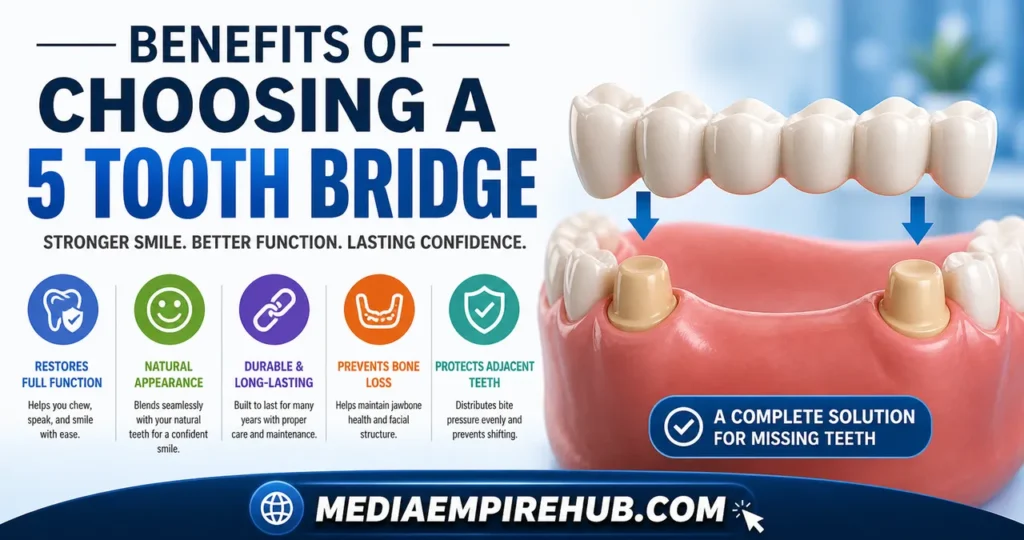
A 5 tooth bridge offers substantial functional and cosmetic advantages beyond simply filling a gap. Restoring multiple teeth can dramatically improve daily life.
Patients often experience better chewing efficiency, improved speech, enhanced smile aesthetics, and increased self-confidence. Structurally, bridges help prevent adjacent teeth from drifting and can support facial contours that might otherwise collapse due to missing teeth.
For many individuals, this restoration can be life-changing, particularly when replacing visible or high-functioning teeth. Compared to removable dentures, bridges often feel more secure, natural, and convenient.
Potential Risks and Drawbacks
Despite its benefits, a 5 tooth bridge also carries important considerations. Long-span bridges experience significant mechanical stress, which can increase the risk of fracture, loosening, or support failure if not properly designed.
Traditional bridges may compromise healthy anchor teeth by requiring enamel removal. Poor oral hygiene can also lead to decay under crowns or gum disease around supporting structures. Implant-supported bridges reduce some risks but involve surgery, longer treatment timelines, and higher costs.
Understanding these trade-offs helps patients make realistic, informed decisions aligned with both budget and oral health goals.
Lifespan and Durability of a 5 Tooth Bridge
With proper care, a well-made 5 tooth bridge can last between 10 to 20 years, and sometimes longer. Longevity depends heavily on material quality, oral hygiene, bite habits, and professional maintenance.
Patients who brush thoroughly, floss under the bridge daily, avoid excessive biting forces, and attend regular dental visits generally achieve better outcomes. Bruxism, smoking, poor hygiene, and untreated gum disease can significantly shorten bridge lifespan.
Implant-supported bridges often outlast traditional bridges due to superior support and bone preservation, though prosthetic components may still require occasional maintenance or replacement.
5 Tooth Bridge vs Dental Implants: Which Is Better?
Comparing a 5 tooth bridge to multiple implants is one of the most important treatment decisions for patients missing several teeth.
Traditional bridges typically offer lower upfront costs and faster completion but may sacrifice healthy adjacent teeth. Implants preserve bone, function independently, and often provide superior long-term stability, though treatment is more invasive and expensive.
For younger patients or those seeking maximum durability, implants may represent the stronger strategic investment. However, bridges remain highly effective when anatomy, finances, or time constraints make implants less practical.
The “best” option depends on individualized clinical circumstances rather than a universal answer.
Common Misconceptions About 5 Tooth Bridges
Many patients assume a 5 tooth bridge is outdated or inherently inferior to implants, but this oversimplifies modern restorative dentistry.
Today’s bridges use advanced materials, digital imaging, CAD/CAM precision, and improved bonding technologies that significantly enhance outcomes. Another misconception is that all bridges look artificial. High-quality prosthetics can be remarkably natural, often indistinguishable from real teeth.
Some also believe bridges require constant replacement, when in reality, many last decades with excellent care. Education is key to separating outdated assumptions from contemporary clinical realities.
Daily Care and Maintenance Best Practices
Maintaining a 5 tooth bridge requires disciplined hygiene practices to protect surrounding tissues and maximize lifespan.
Patients should use specialized floss threaders, water flossers, or interdental brushes to clean beneath the bridge where food and plaque accumulate. Brushing twice daily with non-abrasive toothpaste and attending professional cleanings every six months are essential.
Dentists may also recommend fluoride rinses or nightguards depending on individual risk factors. Neglecting maintenance can undermine even the highest-quality restoration.
Real-World Scenario: How a 5 Tooth Bridge Can Transform Quality of Life
Imagine a patient who lost five consecutive teeth due to trauma. Eating becomes difficult, smiling feels embarrassing, and neighboring teeth begin shifting. A strategically planned 5 tooth bridge can restore not just appearance, but nutrition, speech confidence, and professional self-esteem.
This transformation often extends beyond oral health. Patients frequently report improved social comfort, stronger self-image, and reduced anxiety. Restorative dentistry, when properly executed, can profoundly influence psychological wellbeing.
Industry Trends and Innovations in Bridge Dentistry
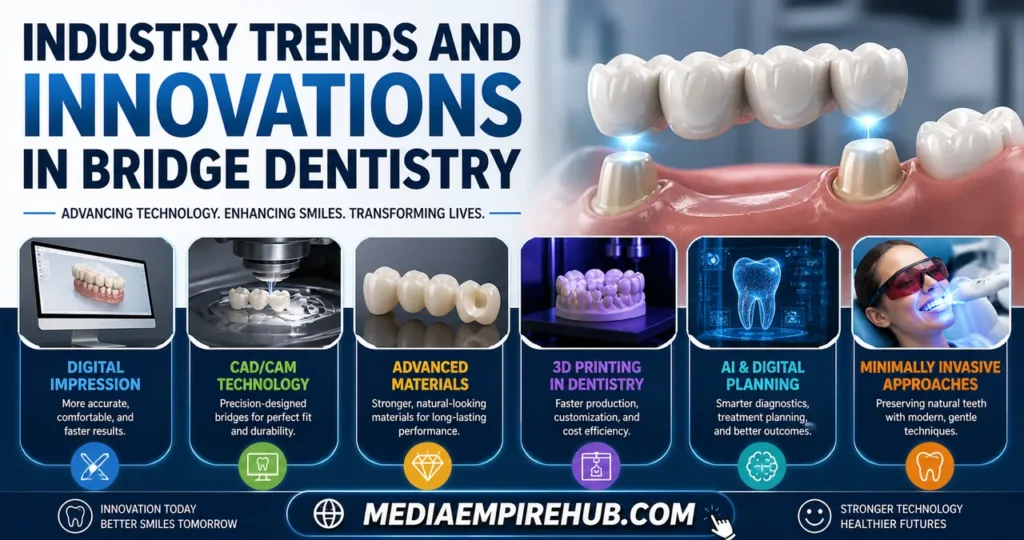
The field of restorative dentistry continues evolving rapidly, improving outcomes for 5 tooth bridge patients.
Digital impressions, 3D printing, AI-guided smile design, and high-performance zirconia have significantly improved precision and aesthetics. Implant integration techniques are also reducing treatment times and increasing predictability.
As materials continue advancing, future bridges are likely to become even more durable, lifelike, and customized. Patients today benefit from solutions far superior to those available even a decade ago.
Choosing the Right Dentist for a 5 Tooth Bridge
Provider expertise plays a major role in the success of a 5 tooth bridge. Long-span restorations require advanced planning, biomechanical understanding, and aesthetic precision.
Patients should seek dentists or prosthodontists with extensive restorative experience, before-and-after case portfolios, modern imaging capabilities, and transparent treatment planning. Choosing solely based on low cost can increase the risk of poor outcomes.
In complex restorative work, skill often matters just as much as materials.
Frequently Asked Questions About 5 Tooth Bridges
How long does a 5 tooth bridge typically last?
A properly maintained 5 tooth bridge can last 10–20 years or longer depending on materials, hygiene, and structural support.
Is a 5 tooth bridge better than dentures?
For many patients, a 5 tooth bridge offers better stability, comfort, and natural function compared to removable dentures.
Can a 5 tooth bridge be supported by implants?
Yes, implant-supported designs are often preferred for a 5 tooth bridge because they preserve bone and improve durability.
Does getting a 5 tooth bridge hurt?
The procedure is typically managed with local anesthesia, making 5 tooth bridge treatment relatively comfortable for most patients.
How much does a 5 tooth bridge cost without insurance?
Depending on design and materials, a 5 tooth bridge may cost anywhere from $4,000 to $25,000+.
Can I eat normally with a 5 tooth bridge?
Yes, after adjustment, most patients regain significant chewing function with a well-fitted 5 tooth bridge.
Conclusion
A 5 tooth bridge remains one of modern dentistry’s most effective solutions for restoring multiple missing teeth, combining functional rehabilitation, cosmetic enhancement, and long-term oral stability. Whether tooth-supported or implant-based, this restoration can significantly improve quality of life when expertly planned and properly maintained.
By understanding materials, costs, procedure details, and long-term care strategies, patients can make confident decisions that protect both their smile and their investment. In restorative dentistry, knowledge is power—and choosing the right 5 tooth bridge can be a transformative step toward lasting oral health.