What Are Simple Health Check Methods?
Simple health check methods are easy, accessible techniques individuals can use to monitor their physical and mental well-being without requiring advanced medical equipment. These checks help identify potential health concerns early and encourage proactive healthcare decisions.
In today’s fast-paced world, many people wait until symptoms become serious before seeking medical attention. However, routine health monitoring can reveal subtle warning signs long before major problems develop.
Simple health check methods can include:
- Blood pressure monitoring
- Weight tracking
- Pulse measurement
- Blood sugar checks
- Sleep assessment
- Hydration monitoring
- Mental wellness evaluations
These methods provide valuable insights into overall health and can support healthier lifestyle choices.
Why Regular Health Monitoring Matters
Preventive healthcare is becoming increasingly important worldwide. Many chronic conditions, including heart disease, diabetes, and hypertension, develop gradually over time.
Regular health monitoring helps individuals:
- Detect problems earlier
- Reduce long-term healthcare costs
- Improve quality of life
- Track lifestyle changes effectively
- Support healthier decision-making
According to health experts, early detection remains one of the most effective strategies for reducing disease-related complications.
Understanding Preventive Health Care
Preventive healthcare focuses on avoiding illness before it occurs rather than treating conditions after symptoms appear.
Simple health check methods serve as the foundation of preventive care because they allow individuals to observe changes in their bodies over time.
Preventive care typically includes:
| Preventive Area | Purpose | Benefits |
|---|---|---|
| Blood Pressure Monitoring | Heart health tracking | Reduced cardiovascular risk |
| Weight Management | Obesity prevention | Better metabolic health |
| Blood Sugar Checks | Diabetes detection | Early intervention |
| Sleep Monitoring | Recovery assessment | Improved energy levels |
| Mental Health Evaluation | Emotional wellness | Reduced stress impact |
The Most Effective Simple Health Check Methods
Several basic health assessments can provide meaningful information about overall wellness.
Key Methods Include:
- Blood pressure checks
- Pulse monitoring
- Weight tracking
- BMI calculations
- Hydration assessments
- Sleep evaluations
- Mental health reviews
- Physical activity tracking
When performed consistently, these methods can reveal important trends that might otherwise go unnoticed.
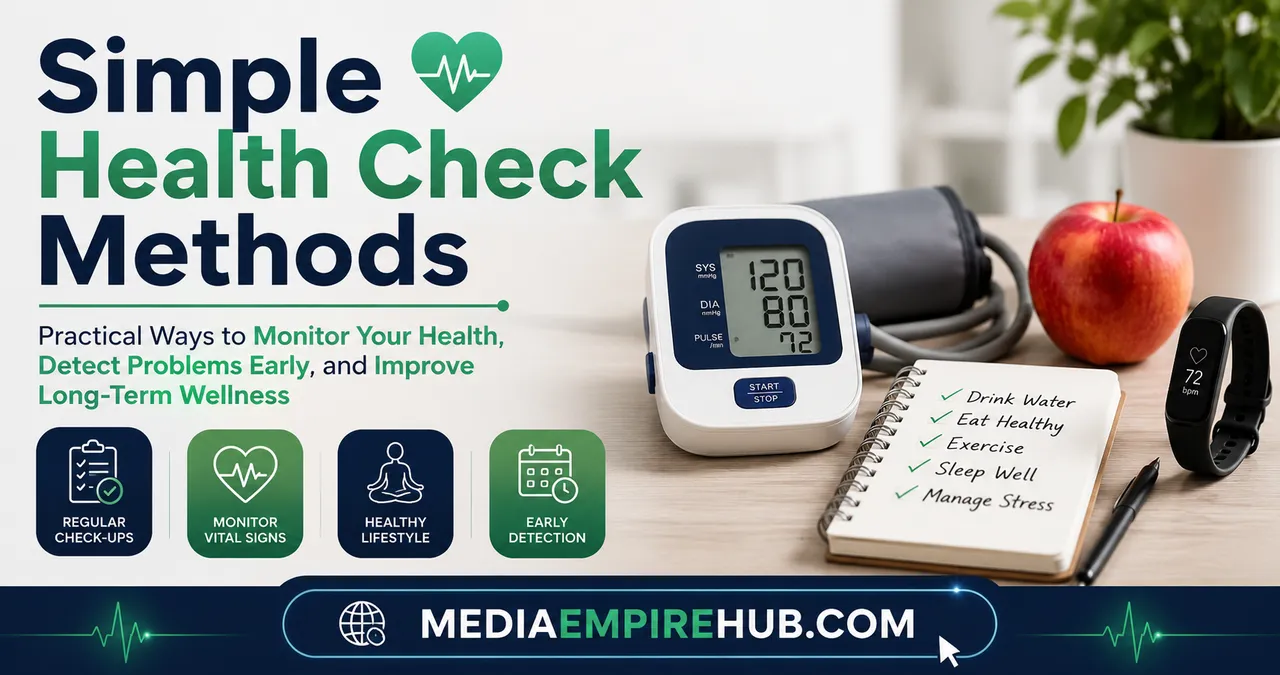
Checking Your Blood Pressure at Home
Blood pressure is one of the most important indicators of cardiovascular health.
High blood pressure often develops without noticeable symptoms, which is why it is sometimes called the “silent killer.”
Regular monitoring can help identify:
- Hypertension
- Cardiovascular risk factors
- Effects of lifestyle changes
- Medication effectiveness
Most digital blood pressure monitors make home testing quick and convenient.
Monitoring Heart Rate and Pulse
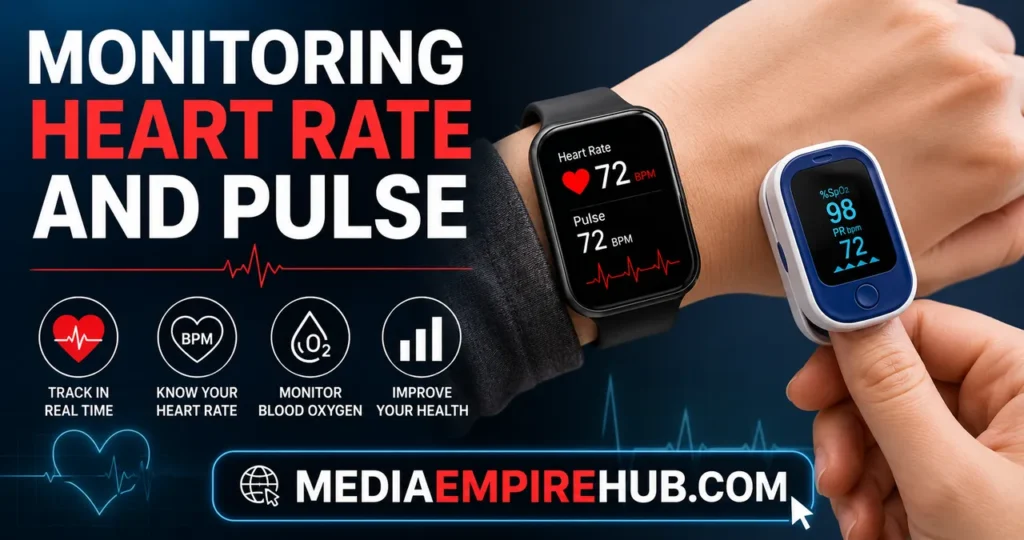
Heart rate reflects how efficiently the cardiovascular system is functioning.
A resting heart rate for most adults generally falls between 60 and 100 beats per minute.
Monitoring pulse can help detect:
- Fitness improvements
- Stress responses
- Potential cardiac irregularities
- Recovery efficiency after exercise
Athletes often have lower resting heart rates due to enhanced cardiovascular conditioning.
Tracking Body Weight and Body Mass Index (BMI)
Weight changes can provide important clues about health status.
Regular weight tracking helps identify:
- Unintended weight gain
- Nutritional issues
- Lifestyle-related changes
- Potential medical conditions
BMI is commonly used as a screening tool for evaluating whether body weight falls within a healthy range.
Blood Sugar Monitoring Basics
Blood glucose monitoring is particularly important for individuals at risk of diabetes.
Factors that may increase diabetes risk include:
- Family history
- Obesity
- Sedentary lifestyle
- High blood pressure
Simple blood sugar testing devices allow individuals to monitor glucose levels at home when recommended by healthcare providers.
Recognizing Changes in Energy Levels
Persistent fatigue often signals underlying health concerns.
Energy levels may be influenced by:
- Sleep quality
- Nutrition
- Stress
- Physical activity
- Medical conditions
Tracking daily energy patterns can reveal valuable information about overall wellness.
Sleep Quality as a Health Indicator
Sleep affects nearly every aspect of physical and mental health.
Warning signs of poor sleep include:
- Daytime fatigue
- Difficulty concentrating
- Frequent nighttime awakenings
- Mood changes
Experts generally recommend that adults obtain sufficient sleep each night to support recovery and cognitive function.
Hydration Checks You Can Perform Daily
Proper hydration supports:
- Brain function
- Digestion
- Temperature regulation
- Joint health
- Circulation
Simple hydration indicators include:
- Urine color
- Thirst levels
- Skin elasticity
- Energy levels
Consistent hydration can significantly improve overall well-being.
Monitoring Skin, Hair, and Nail Health
The body’s external appearance often reflects internal health.
Changes worth monitoring include:
- Excessive hair loss
- Dry skin
- Brittle nails
- Unusual rashes
- Skin discoloration
These signs may occasionally indicate nutritional deficiencies or underlying health issues.
Digestive Health Self-Assessment
Digestive health plays a central role in overall wellness.
Common indicators include:
- Appetite changes
- Bloating
- Regular bowel movements
- Digestive discomfort
- Food tolerance
Persistent digestive symptoms should be evaluated by a healthcare professional.
Mental Health Check Methods Everyone Should Know
Mental wellness deserves the same attention as physical health.
Simple mental health assessments involve evaluating:
- Stress levels
- Mood changes
- Anxiety symptoms
- Sleep patterns
- Emotional resilience
Regular self-reflection can help individuals recognize when additional support may be beneficial.
The Role of Physical Activity Tracking
Exercise remains one of the strongest predictors of long-term health.
Tracking physical activity can help measure:
- Daily movement
- Calorie expenditure
- Cardiovascular fitness
- Recovery progress
Modern fitness trackers have made activity monitoring more accessible than ever.
Simple Health Check Methods for Different Age Groups
Health monitoring needs often vary by age.
Children
- Growth tracking
- Physical activity monitoring
- Sleep assessments
Adults
- Blood pressure checks
- Weight management
- Stress evaluation
Older Adults
- Balance monitoring
- Cardiovascular health checks
- Mobility assessments
Tailoring health checks to life stage improves effectiveness.
Common Mistakes People Make When Monitoring Their Health
Many individuals unintentionally reduce the effectiveness of self-monitoring.
Common Errors:
- Checking inconsistently
- Ignoring warning signs
- Self-diagnosing serious symptoms
- Focusing on a single health metric
- Avoiding professional medical evaluations
Health monitoring works best when viewed as part of a comprehensive wellness strategy.
Real-World Scenario: How Early Detection Can Improve Outcomes
Consider an individual who begins monitoring blood pressure at home.
Initially, readings appear slightly elevated but not alarming. Over several months, a consistent upward trend becomes noticeable.
Because the issue is identified early:
- Lifestyle changes are implemented
- Medical consultation occurs sooner
- Risk factors are addressed
- Long-term complications may be reduced
This example demonstrates the value of simple health check methods in preventive healthcare.
Technology and Modern Health Monitoring Tools
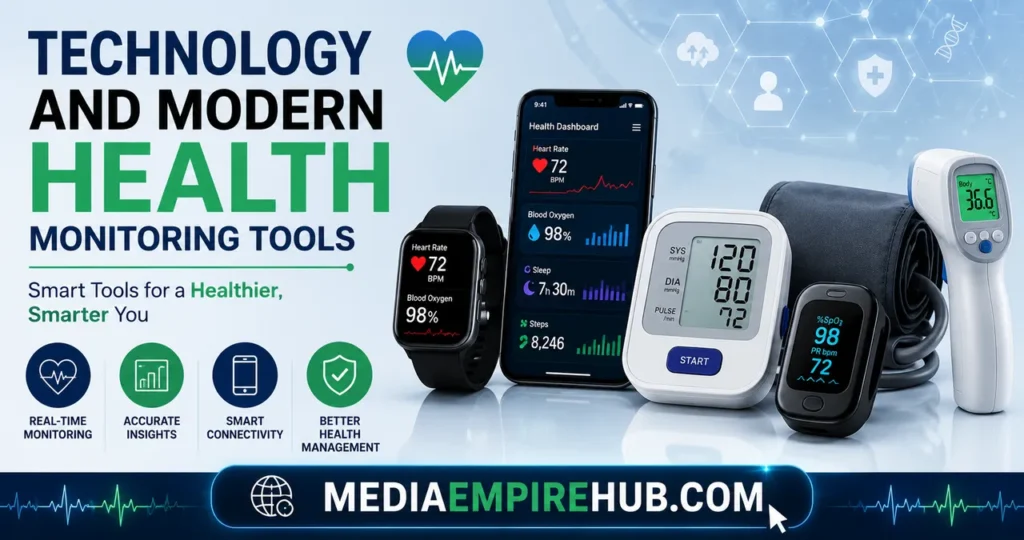
Technology has transformed personal health tracking.
Popular tools include:
- Smartwatches
- Fitness bands
- Blood pressure monitors
- Glucose monitors
- Sleep-tracking apps
These devices provide convenient access to health data and help individuals identify patterns over time.
Benefits of Combining Home Checks With Professional Care
While self-monitoring is valuable, it should complement professional healthcare rather than replace it.
Benefits of combining both approaches include:
- More accurate diagnoses
- Better treatment planning
- Earlier interventions
- Improved health outcomes
Healthcare professionals can interpret trends and provide personalized recommendations.
Expert Insights on Preventive Health
Medical experts consistently emphasize prevention as one of the most effective healthcare strategies.
A commonly cited principle in preventive medicine is:
“The earlier a health issue is identified, the greater the opportunity for successful intervention.”
Simple health check methods support this principle by helping individuals stay informed about their health status.
Frequently Asked Questions About Simple Health Check Methods
What are the easiest health checks to perform at home?
Blood pressure monitoring, weight tracking, pulse measurement, hydration assessment, and sleep monitoring are among the simplest methods.
How often should I perform health checks?
Frequency depends on the specific measurement, age, medical history, and healthcare provider recommendations.
Can simple health check methods replace doctor visits?
No. Home monitoring should complement professional medical care, not replace it.
Why is preventive health important?
Preventive health helps detect potential issues early and may reduce the risk of serious complications.
Which health metric should I track first?
Many healthcare professionals recommend beginning with blood pressure, weight, physical activity, and sleep quality.
Conclusion
Simple health check methods provide a practical and effective way to monitor well-being, identify potential concerns early, and support healthier lifestyle choices. From blood pressure and weight tracking to sleep assessments and mental wellness evaluations, these straightforward practices empower individuals to take a more active role in their health.
The greatest value of simple health check methods lies not in diagnosing disease but in promoting awareness, prevention, and long-term wellness. By combining regular self-monitoring with professional healthcare guidance, individuals can build a stronger foundation for lifelong health and improved quality of life.